Apistogramma Borelli
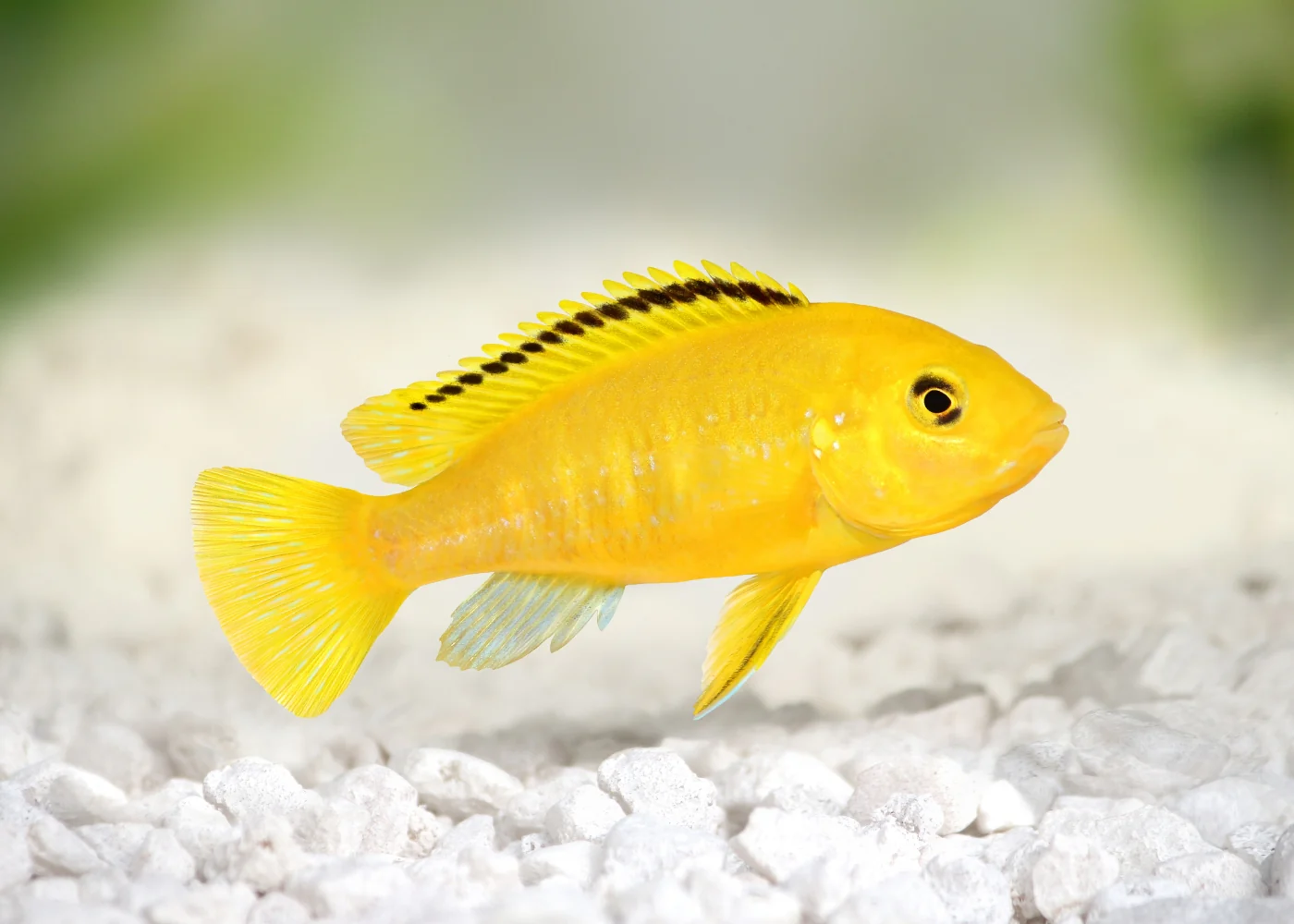
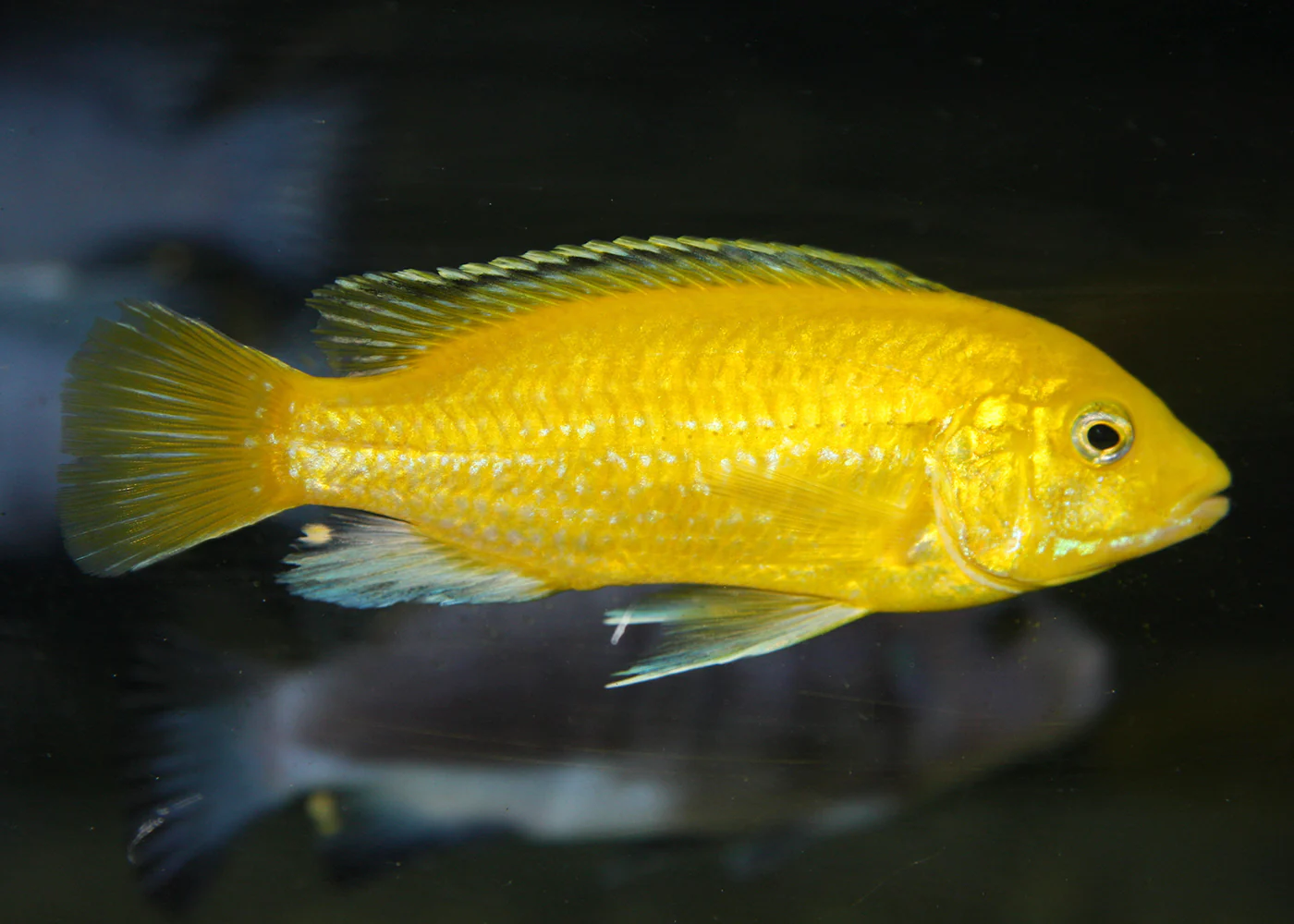
Apistogramma borelli is a small, South American dwarf cichlid prized for its vibrant colors, intricate patterns, and engaging behavior. Native to slow-moving, soft-water streams and flooded forest areas, it displays both territorial and social behaviors, particularly during breeding. Its compact size and relatively peaceful temperament make it suitable for well-maintained community aquariums with gentle tank mates and structured habitats.
Features of Apistogramma Borelli
-
Males display bright yellow and orange hues with iridescent blue highlights
-
Females are smaller and more subdued, usually yellowish with subtle patterns
-
Adult size ranges from 5–7 cm
-
Territorial during breeding but generally peaceful otherwise
-
Active mid- to bottom-dweller, often exploring substrate and decorations
-
Lifespan of 4–6 years under optimal conditions
The best aquarium size for Apistogramma Borelli
A minimum aquarium volume of 40 litres is suitable for a single pair, but 80 litres or more is recommended for multiple pairs or community setups. Tank length of at least 60–80 cm provides adequate territory boundaries and swimming space, which helps reduce aggression during breeding periods.
Tank Mate Compatibility for Apistogramma Borelli
Ideal companions are small, peaceful species that occupy different water zones:
-
Neon Tetra
-
Ember Tetra
-
Corydoras Catfish
-
Otocinclus Catfish
-
Dwarf Gourami
Diet for Apistogramma Borelli
Apistogramma borelli is omnivorous, requiring a mix of high-quality cichlid pellets, micro-pellets, and live or frozen foods such as daphnia, brine shrimp, and bloodworms. Occasional finely chopped vegetables or spirulina flakes can supplement nutrition, supporting coloration and overall health. Feeding small portions twice daily helps maintain water quality.
Aquarium Setup Apistogramma Borelli
Aquarium Filtration
Efficient filtration with gentle water flow is essential. Sponge filters or low-flow hang-on-back filters maintain clean, well-oxygenated water without disturbing the substrate.
Aquarium Plants
Live plants such as Java Fern, Anubias, and Cryptocoryne create hiding spots, provide visual boundaries, and support natural behavior. Floating plants can reduce light intensity and create shaded areas.
Aquarium Lighting
Moderate lighting enhances coloration while mimicking their natural, shaded riverine environment. Adjustable LED systems are ideal.
Aquarium Heating
Maintain stable temperatures between 24–27 °C with a reliable heater and thermostat control to reflect tropical conditions.
Aquarium Substrate
Fine sand substrate is preferred, enabling natural digging, foraging, and spawning behavior.
Aquarium Decorations
Incorporate driftwood, leaf litter, and rock caves to provide shelter, establish territories, and encourage breeding while keeping open swimming areas for active exploration.
Original: $10.36
-65%$10.36
$3.63Product Information
Product Information
Shipping & Returns
Shipping & Returns
Description
Apistogramma borelli is a small, South American dwarf cichlid prized for its vibrant colors, intricate patterns, and engaging behavior. Native to slow-moving, soft-water streams and flooded forest areas, it displays both territorial and social behaviors, particularly during breeding. Its compact size and relatively peaceful temperament make it suitable for well-maintained community aquariums with gentle tank mates and structured habitats.
Features of Apistogramma Borelli
-
Males display bright yellow and orange hues with iridescent blue highlights
-
Females are smaller and more subdued, usually yellowish with subtle patterns
-
Adult size ranges from 5–7 cm
-
Territorial during breeding but generally peaceful otherwise
-
Active mid- to bottom-dweller, often exploring substrate and decorations
-
Lifespan of 4–6 years under optimal conditions
The best aquarium size for Apistogramma Borelli
A minimum aquarium volume of 40 litres is suitable for a single pair, but 80 litres or more is recommended for multiple pairs or community setups. Tank length of at least 60–80 cm provides adequate territory boundaries and swimming space, which helps reduce aggression during breeding periods.
Tank Mate Compatibility for Apistogramma Borelli
Ideal companions are small, peaceful species that occupy different water zones:
-
Neon Tetra
-
Ember Tetra
-
Corydoras Catfish
-
Otocinclus Catfish
-
Dwarf Gourami
Diet for Apistogramma Borelli
Apistogramma borelli is omnivorous, requiring a mix of high-quality cichlid pellets, micro-pellets, and live or frozen foods such as daphnia, brine shrimp, and bloodworms. Occasional finely chopped vegetables or spirulina flakes can supplement nutrition, supporting coloration and overall health. Feeding small portions twice daily helps maintain water quality.
Aquarium Setup Apistogramma Borelli
Aquarium Filtration
Efficient filtration with gentle water flow is essential. Sponge filters or low-flow hang-on-back filters maintain clean, well-oxygenated water without disturbing the substrate.
Aquarium Plants
Live plants such as Java Fern, Anubias, and Cryptocoryne create hiding spots, provide visual boundaries, and support natural behavior. Floating plants can reduce light intensity and create shaded areas.
Aquarium Lighting
Moderate lighting enhances coloration while mimicking their natural, shaded riverine environment. Adjustable LED systems are ideal.
Aquarium Heating
Maintain stable temperatures between 24–27 °C with a reliable heater and thermostat control to reflect tropical conditions.
Aquarium Substrate
Fine sand substrate is preferred, enabling natural digging, foraging, and spawning behavior.
Aquarium Decorations
Incorporate driftwood, leaf litter, and rock caves to provide shelter, establish territories, and encourage breeding while keeping open swimming areas for active exploration.