Red Tiger Mota - Parachromis motaguensis
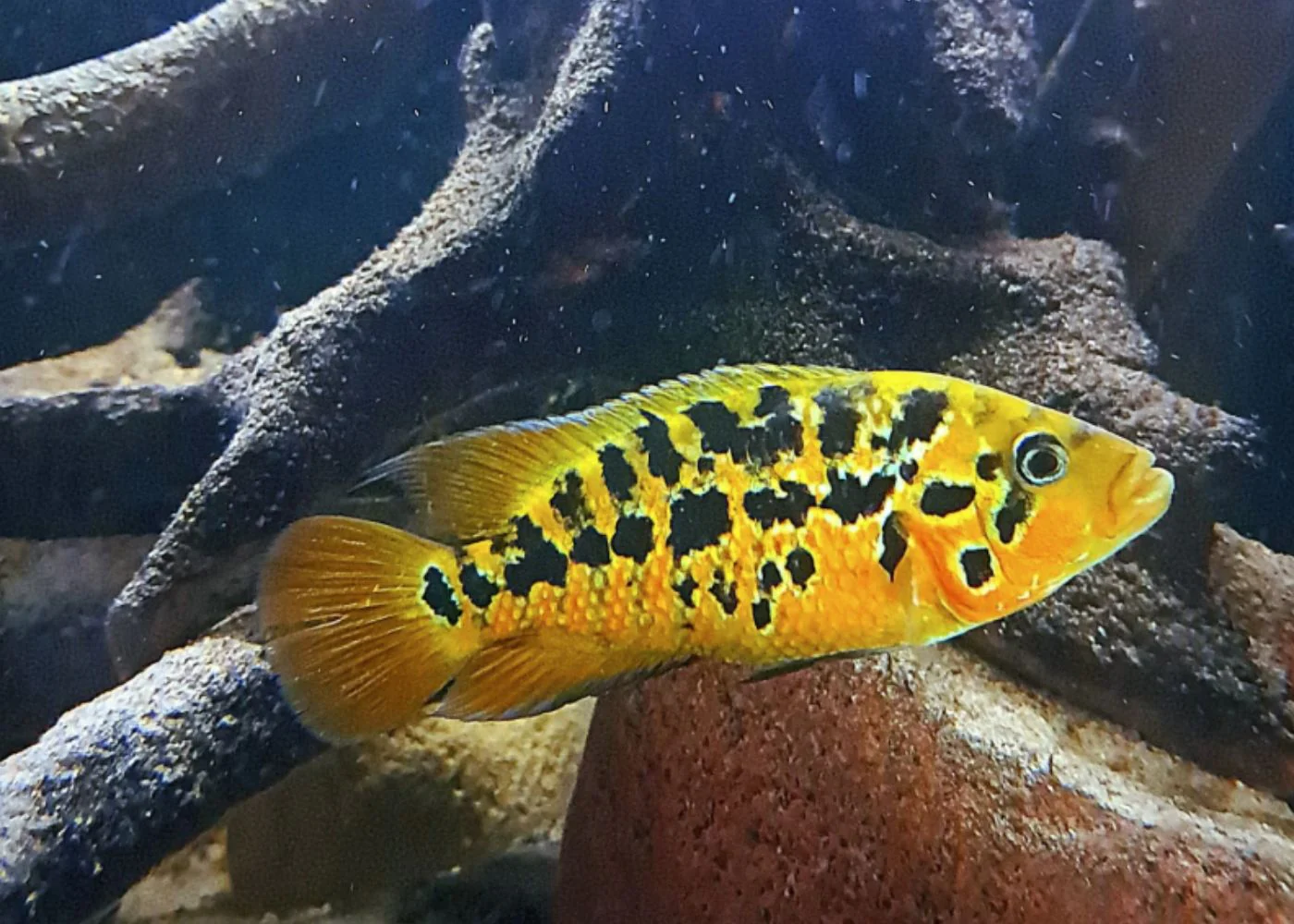
The Parachromis motaguensis, commonly known as the Motaguensis Cichlid or Red Tiger Motaguensis, is a powerful and visually striking Central American cichlid admired for its bold coloration, predatory nature, and commanding presence. Native to rivers and lakes throughout Honduras and Guatemala, this species develops vibrant red, gold, and dark tiger-like patterning as it matures. Popular among experienced cichlid keepers, Parachromis motaguensis is best suited to large aquariums where its territorial behaviour and impressive size can be properly accommodated.
Features of Parachromis motaguensis
• Striking red, gold, and dark tiger-style patterning
• Large predatory Central American cichlid
• Grows to approximately 30–35 cm in length
• Intelligent and highly interactive aquarium fish
• Strong territorial behaviour, especially during breeding
• Suitable for experienced aquarists
• Impressive centrepiece species for large aquariums
The best aquarium size for Parachromis motaguensis
A minimum aquarium size of 600 litres is recommended for Parachromis motaguensis due to its adult size, activity level, and territorial nature. Larger aquariums are strongly preferred, particularly when housing pairs or compatible tank mates. Maintain water temperatures between 24–28°C with a pH range of 7.0–8.0. Stable water conditions and powerful filtration are essential to support this species’ high waste production.
Tank Mate Compatibility for Parachromis motaguensis
Parachromis motaguensis should only be housed with similarly sized and robust fish capable of handling its assertive temperament. Suitable tank mates include:
• Jack Dempsey Cichlid
• Jaguar Cichlid
• Silver Arowana
• Sailfin Pleco
• Firemouth Cichlid
Avoid small community fish or timid species that may become stressed or preyed upon.
Diet for Parachromis motaguensis
Parachromis motaguensis are carnivorous predators that require a high-protein diet for healthy growth and coloration. High-quality cichlid pellets should form the staple diet, supplemented with prawns, earthworms, krill, whitebait, and frozen carnivore foods. Avoid feeding live feeder fish regularly, as they may introduce parasites and poor nutrition. Feed juveniles daily and adults once or twice daily in controlled portions to maintain water quality.
Aquarium Setup Parachromis motaguensis
Aquarium Filtration
Powerful biological and mechanical filtration is essential to manage waste and maintain stable water conditions in large aquariums.
Aquarium Plants
Most live plants may be uprooted or damaged due to the fish’s digging behaviour. Hardy plants attached to décor may survive in some setups.
Aquarium Lighting
Moderate aquarium lighting is ideal and helps enhance the fish’s vibrant colouration.
Aquarium Heating
Use a high-quality aquarium heater to maintain stable temperatures between 24–28°C.
Aquarium Substrate
Sand or fine gravel substrate is recommended, allowing natural digging and territorial behaviour.
Aquarium Decorations
Include large rocks, driftwood, caves, and open swimming areas to establish territories and provide shelter while maintaining adequate swimming space.
Product Information
Product Information
Shipping & Returns
Shipping & Returns
Description
The Parachromis motaguensis, commonly known as the Motaguensis Cichlid or Red Tiger Motaguensis, is a powerful and visually striking Central American cichlid admired for its bold coloration, predatory nature, and commanding presence. Native to rivers and lakes throughout Honduras and Guatemala, this species develops vibrant red, gold, and dark tiger-like patterning as it matures. Popular among experienced cichlid keepers, Parachromis motaguensis is best suited to large aquariums where its territorial behaviour and impressive size can be properly accommodated.
Features of Parachromis motaguensis
• Striking red, gold, and dark tiger-style patterning
• Large predatory Central American cichlid
• Grows to approximately 30–35 cm in length
• Intelligent and highly interactive aquarium fish
• Strong territorial behaviour, especially during breeding
• Suitable for experienced aquarists
• Impressive centrepiece species for large aquariums
The best aquarium size for Parachromis motaguensis
A minimum aquarium size of 600 litres is recommended for Parachromis motaguensis due to its adult size, activity level, and territorial nature. Larger aquariums are strongly preferred, particularly when housing pairs or compatible tank mates. Maintain water temperatures between 24–28°C with a pH range of 7.0–8.0. Stable water conditions and powerful filtration are essential to support this species’ high waste production.
Tank Mate Compatibility for Parachromis motaguensis
Parachromis motaguensis should only be housed with similarly sized and robust fish capable of handling its assertive temperament. Suitable tank mates include:
• Jack Dempsey Cichlid
• Jaguar Cichlid
• Silver Arowana
• Sailfin Pleco
• Firemouth Cichlid
Avoid small community fish or timid species that may become stressed or preyed upon.
Diet for Parachromis motaguensis
Parachromis motaguensis are carnivorous predators that require a high-protein diet for healthy growth and coloration. High-quality cichlid pellets should form the staple diet, supplemented with prawns, earthworms, krill, whitebait, and frozen carnivore foods. Avoid feeding live feeder fish regularly, as they may introduce parasites and poor nutrition. Feed juveniles daily and adults once or twice daily in controlled portions to maintain water quality.
Aquarium Setup Parachromis motaguensis
Aquarium Filtration
Powerful biological and mechanical filtration is essential to manage waste and maintain stable water conditions in large aquariums.
Aquarium Plants
Most live plants may be uprooted or damaged due to the fish’s digging behaviour. Hardy plants attached to décor may survive in some setups.
Aquarium Lighting
Moderate aquarium lighting is ideal and helps enhance the fish’s vibrant colouration.
Aquarium Heating
Use a high-quality aquarium heater to maintain stable temperatures between 24–28°C.
Aquarium Substrate
Sand or fine gravel substrate is recommended, allowing natural digging and territorial behaviour.
Aquarium Decorations
Include large rocks, driftwood, caves, and open swimming areas to establish territories and provide shelter while maintaining adequate swimming space.